
Any environment. Any time. In camera.
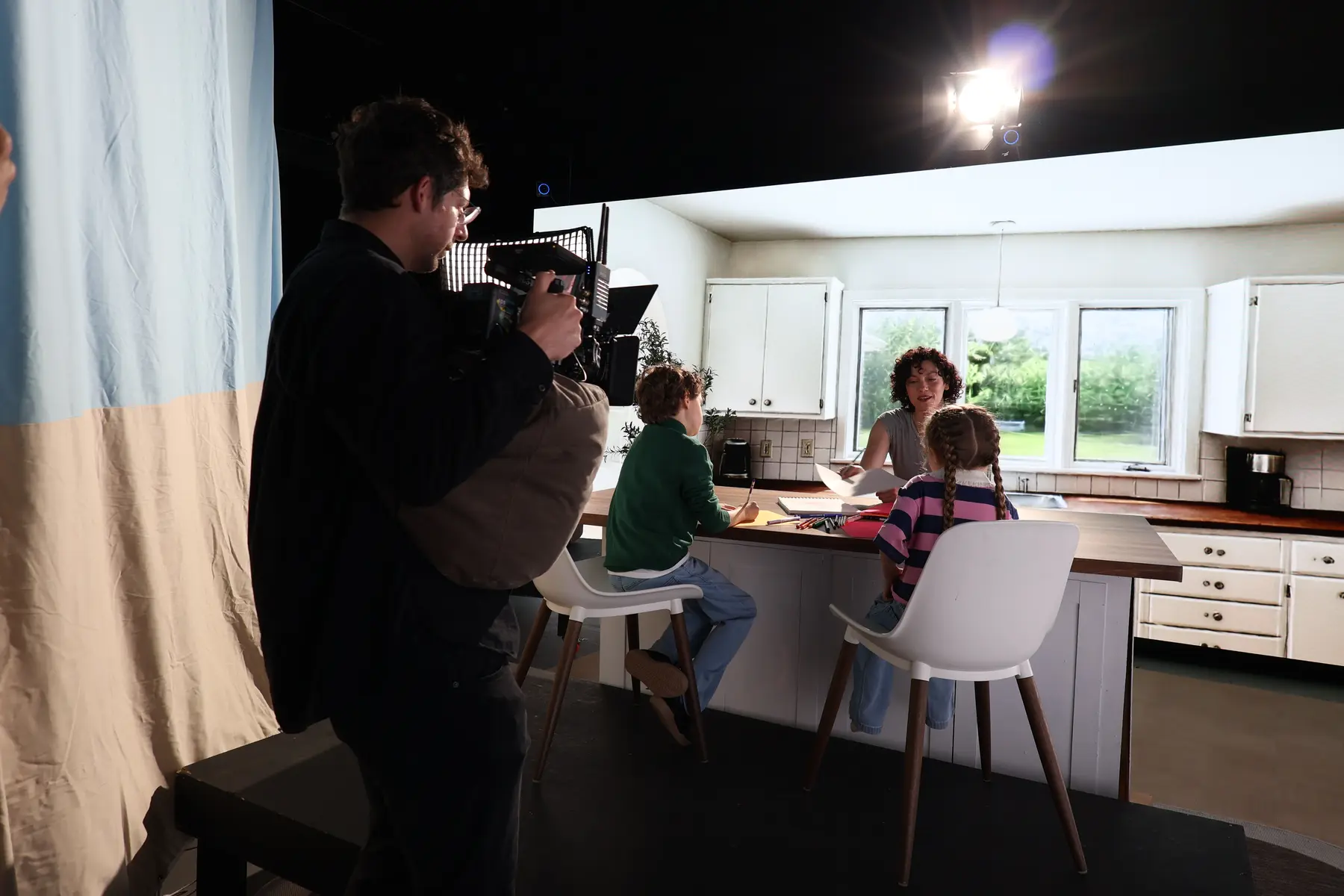
Real-time Unreal Engine environments on LED walls — reflections, lighting, and parallax all captured in camera. No green screen. No post compositing. Final pixel on set.
VP vs traditional production
Virtual production changes what is possible on set. Here is how it compares to practical location shoots and green screen workflows.
Final Pixel In Camera
What you see on the LED wall is what the camera captures. Reflections, lighting, and backgrounds are real on set — no compositing, rotoscoping, or green spill cleanup in post.
Immersive Performances
Actors see and react to their environment in real time. Natural sightlines and authentic interaction with the scene — none of the blank-wall fatigue of green screen.
Accurate Reflections
Reflective and transparent surfaces — car paint, glass, metal, liquid — pick up real light from the LED wall. On green screen, these surfaces require extensive post cleanup.
Total Weather & Light Control
Hold a golden hour indefinitely. Change time of day in seconds. Guarantee consistent lighting across every take. Weather delays are eliminated entirely.
Any Location, No Travel
Any environment from anywhere in the world is available on stage. No permits, no scouts, no flights, no weather risk. Switch locations in minutes, not days.
Reduced Post-Production
When backgrounds are captured in camera, compositing budgets shrink and delivery timelines compress. Post teams focus on finishing rather than building.
Faster Shoot Days
Multiple environments in a single day. No company moves, no set rebuilds between locations. Crews stay productive on stage the entire day.
Creative Iteration On Set
Directors and DPs adjust the virtual environment live. Move the sun, change the skyline, swap a background. Decisions happen in the moment, not months later in post.
What goes on the wall
The LED volume can display any visual environment, but not all content is created the same way. Each format has distinct strengths depending on your project.
Plates — Photo & Video
Pre-shot photography or video footage displayed on the LED wall as a background. The simplest and fastest content type — capture a real location on camera, bring it to the stage.
Best for
- Interviews and talking heads
- Simple backgrounds that stay relatively static
- Fast turnaround projects with tight budgets
- When the real location exists but isn’t practical to shoot at
Limitations
- No parallax — the background doesn’t shift with camera movement
- Locked to the angle and conditions it was originally captured in
- Can’t change lighting, time of day, or composition after capture
- Video plates must loop or be timed precisely to the take
Spatial Scans — Gaussian Splats
Photogrammetric 3D captures of real-world locations using a multi-camera grid. The result is a photorealistic, navigable 3D scene that responds to camera movement with true parallax.
Best for
- Real locations that are hard to access or permit on shoot day
- Preserving photorealism while gaining 3D camera freedom
- Environments where physical accuracy matters (architecture, real estate, heritage sites)
- Projects that need parallax but don’t require full environment control
Limitations
- Capture quality depends on lighting conditions and scanner resolution
- Difficult to modify the environment after scanning (moving objects, changing materials)
- Can have visual artifacts in areas with reflective or transparent surfaces
- Requires physical access to the location for the scanning session
Unreal Engine — Full CG Environments
Custom 3D environments built from scratch in Unreal Engine 5 by our in-house Virtual Art Department. Complete creative control over every element — lighting, weather, architecture, time of day — all adjustable live on set.
Best for
- Environments that don’t exist in the real world (sci-fi, fantasy, branded worlds)
- Maximum creative control — change anything, anytime, live on set
- Projects that need multiple environment variations from one build
- Full parallax, dynamic lighting, and interactive elements
Considerations
- Longer lead time — environments need to be designed and built in pre-production
- Requires a skilled VAD team (we handle this in-house)
- Most investment upfront, but maximum flexibility on shoot day
- Virtual location scouting and pre-vis included in the process
We build the worlds
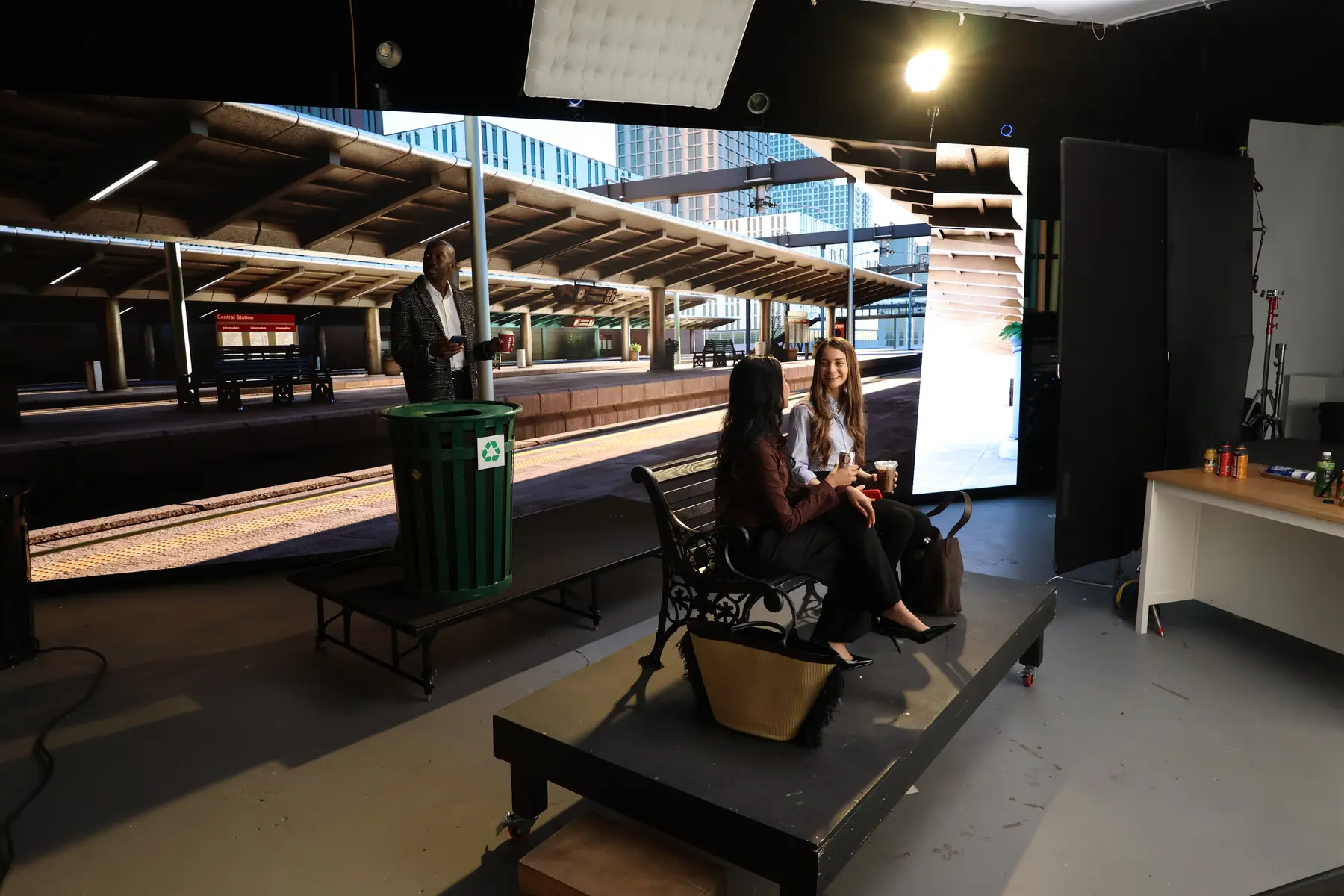
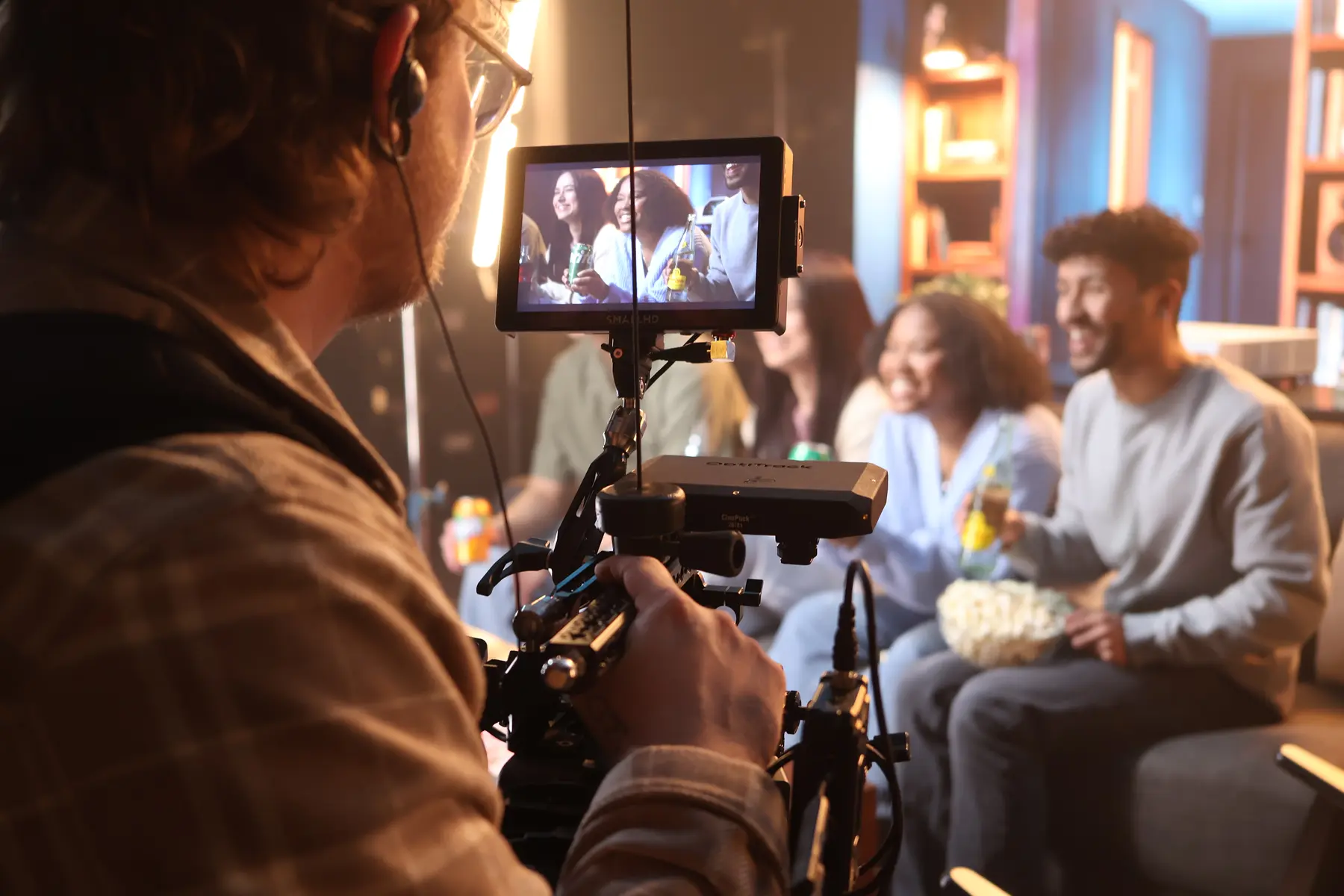
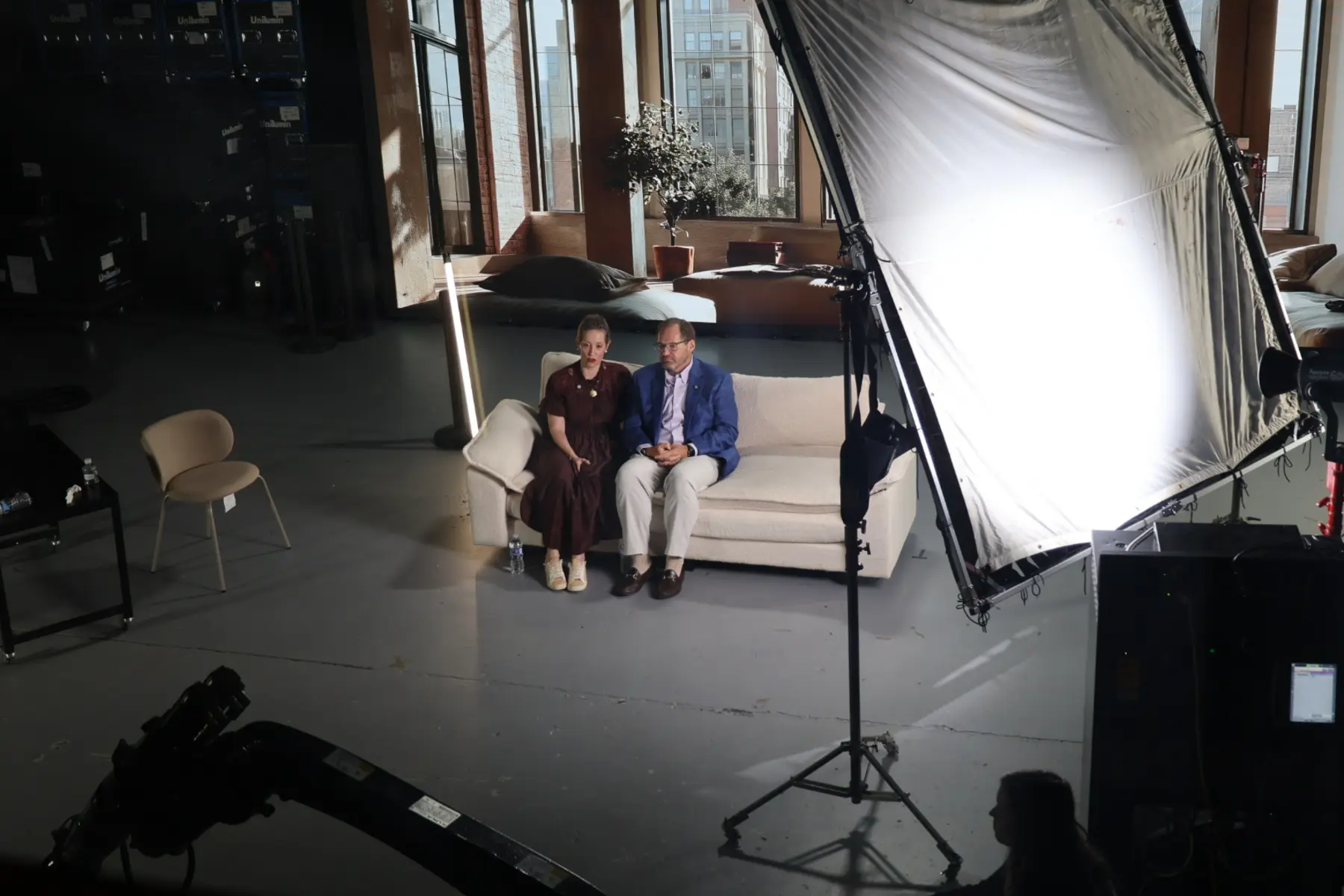
Every element on the LED wall — the architecture, the sky, the floor, the way light hits a wall — is a digital asset that has to be designed and built. Our in-house team handles all of it. We model environments from scratch in Unreal Engine 5, giving you complete control over every surface, material, light source, and prop. Need to change the wall color between takes? Move the sun? Swap hardwood for concrete? It happens live on set because we built it and we know every layer of it.
Environment Design
Our VAD team designs and builds custom Unreal Engine 5 environments from concept through final optimization. Art direction, modeling, texturing, and lighting handled internally.
Spatial Scanning
Multi-camera photogrammetry rig captures real-world locations as high-fidelity Gaussian splats. We scan, process, and optimize for LED volume playback.
Virtual Location Scouting
Walk through environments before shoot day. Directors and DPs review camera angles, lighting setups, and compositions inside the engine — no travel required.
Live On-Set Operation
A certified Unreal Engine artist is on set for every shoot. Real-time adjustments to lighting, weather, set dressing, and camera framing as the director calls for them.
Asset Library
Growing library of production-ready environments, materials, and lighting setups. Accelerates builds and reduces costs for common location types.
Multi-Format Delivery
We prepare content for any playback scenario — plates formatted for media servers, spatial scans optimized for real-time rendering, UE environments packaged for nDisplay.
What teams are shooting
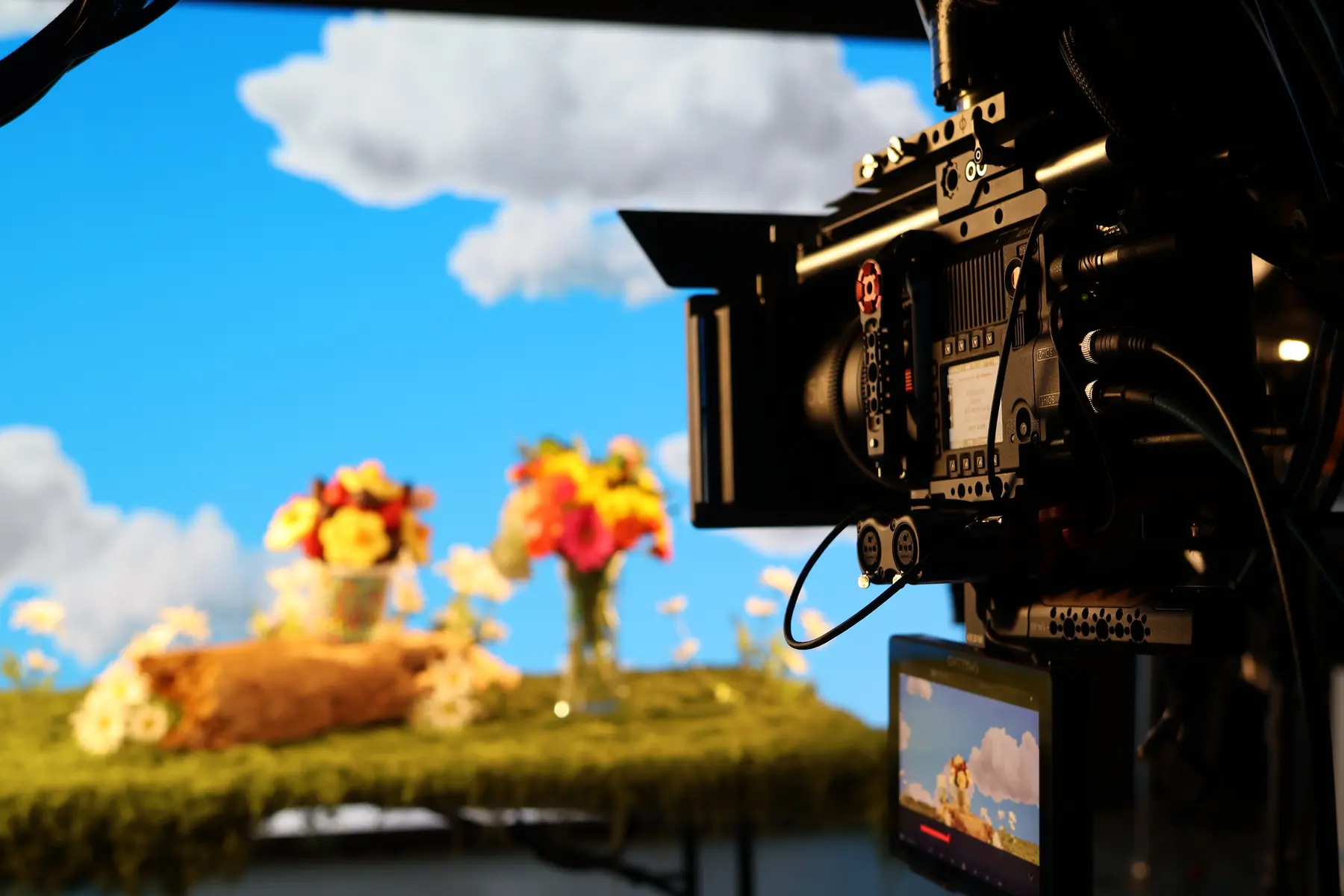
How a VP shoot works
From first call to final delivery, here is what a virtual production engagement looks like at Form Studios.
Consult & Scope
- Creative brief and technical review
- Script breakdown and shot planning
- Budget alignment and stage selection
- Timeline and deliverables defined
Pre-Production
- Virtual art department builds environments
- Virtual location scouting in Unreal Engine
- Pre-visualization of camera moves and lighting
- Stakeholder review and approval before shoot day
Production
- On-set UE artist and VP supervisor
- Real-time environment control and adjustments
- In-camera VFX captured live
- Multiple environments shot in a single day
What powers the stage
Every component is purpose-built for in-camera visual effects and integrated into a single production pipeline.
LED Volume
Up to 30' x 12' concave curved walls with 2.6mm pixel pitch. High refresh rate panels eliminate moiré and banding on camera.
Unreal Engine 5
Real-time rendering with Lumen global illumination, Nanite geometry, and nDisplay multi-node output across the full volume.
Camera Tracking
FreeD protocol with sub-millimeter accuracy. Perspective-correct parallax so backgrounds respond naturally to every camera move.
Color Pipeline
Calibrated LED output matched to camera color science. ACES managed from wall to monitor to deliverable.
On-Set Team
Every VP shoot includes a certified Unreal Engine artist and VP supervisor. We operate the technology, not just rent it.
Live Compositing
Real-time keying, color correction, and environment adjustments. Change time of day, swap locations, adjust lighting in seconds.
Media Servers
Puget Systems enterprise hardware driving the volume. Redundant nodes with genlock sync to prevent tearing, jitter, or dropped frames.
Pre-Visualization
Full shot planning inside the engine before shoot day. Camera moves, lighting setups, and environment blocking reviewed and approved in advance.
Where we shoot
Three VP-equipped stages across two coasts, plus a mobile unit we deploy anywhere.
Buford, GA
29' x 10' LED volume, cinema robot, 2.6mm pixel pitch. Our flagship VP stage with full production infrastructure.
Atlanta, GA
30' x 12' LED volume with OptiTrack mocap, cinema robot, and FreeD tracking. Partnership with Studio Space Atlanta.
Los Angeles, CA
6,000 sq ft stage with Unilumin LED, OptiTrack, and robotic camera. Partnership with Cinedept.
Mobile — Any Location
Not near a stage? We deploy a full LED volume, render stack, camera tracking, and crew to your location.